pelvic pain
Pain isn't always damage. Often, it's protection.
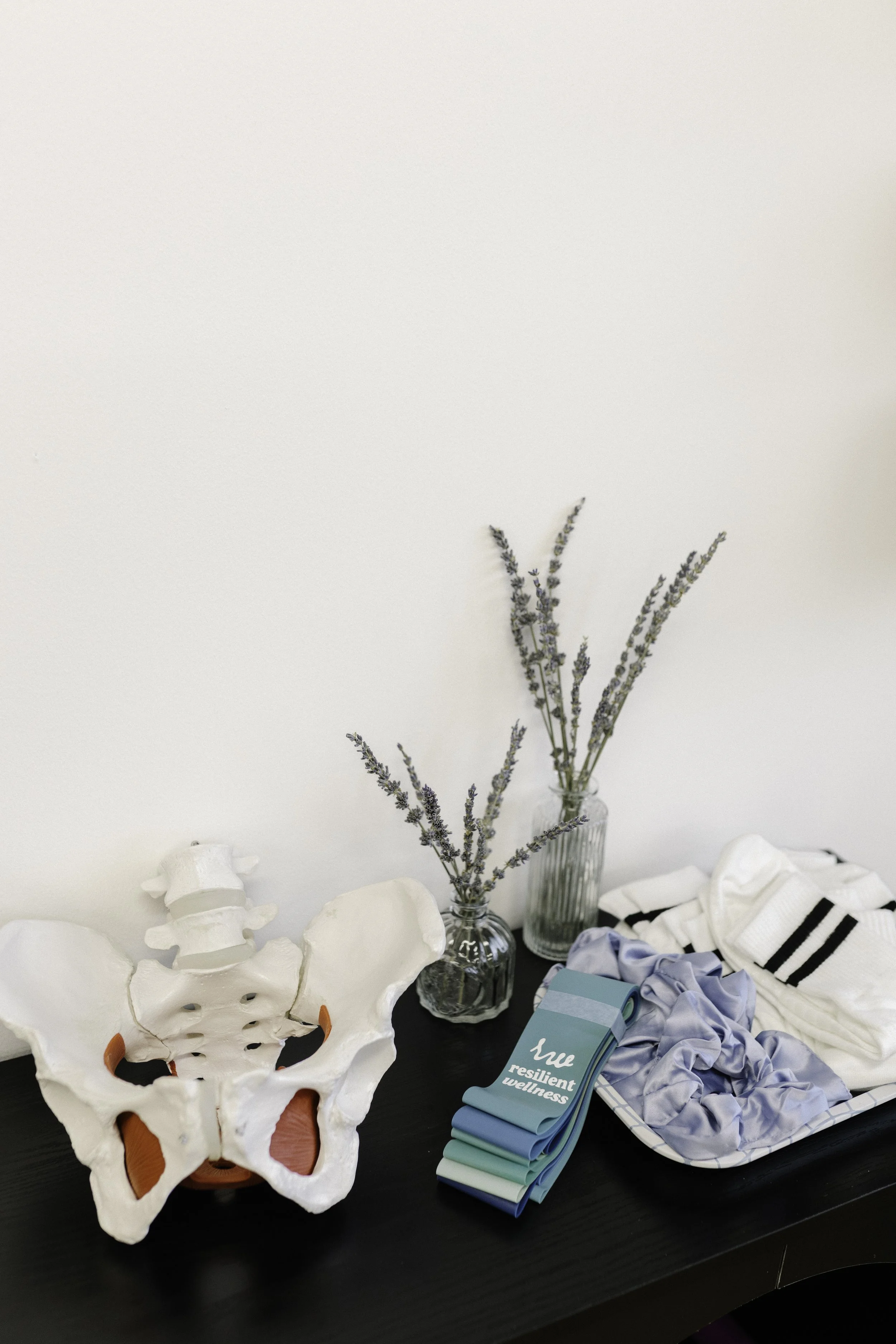
Your pelvic floor is a group of muscles that supports your bladder, bowel, and organs — and it responds to everything: how you breathe, how you sit, how stressed you are.
After birth, surgery, an injury, or years of simply holding everything together, those muscles can get stuck in a guarded, "always on" state. Muscles that can't let go become tender, sensitive, and painful.
The R3 Method
Our prove, clear, step-by-step path — so you always know where you are, what's working, and what's next.
Rebalance
Calm the guarding
Breath resets, gentle hands-on release for your hips, abdomen, and inner thighs, and two simple tools you can use at home from day one.
Retrain
Bring it back to real life
Mobility, breathing with movement, and learning to work with your own body comfortably and confidently.
Resilience
Bring it back to real life
Workouts, long days at your desk, and intimacy without bracing for pain. You become the expert on your own body.
intimacy
Pain with sex, tampons, or pelvic exams — or bracing before anything even happens.
Pelvic pain shows up in more places than you'd think.
sitting
An ache at your tailbone or sit bones after a long drive, a workday, or a soccer game on the bleachers.
everyday
A deep ache, burning, or pressure in your pelvis that comes and goes with no clear reason.
SOUND FAMILIAR?
It often travels with: low back or hip pain, jaw clenching, shallow breathing, poor sleep, and stress that won't switch off.
bathroom
Urgency, frequent trips, or discomfort when you pee or have a bowel movement.
You're not the only one. Not even close.
COMMON & TREATABLE
common
1 in 7 women report constant or recurring pelvic pain.
treatable
Pain from guarding muscles can change. When your pelvic floor learns to let go, your nervous system follows.
Source: American Family Physician (2008), citing a U.S. survey of women.

You're booked!
The hardest part is done
BOOKING CONFIRMED
Booking is often the step women put off for months, sometimes years. You did it. Your initial assessment with Resilient Wellness PT is confirmed, and we can't wait to meet you.
From here on, we'll guide you through every step.
what happens next

check your inbox
Your confirmation from Practice Better is on its way, with your appointment details and a link to your client portal.
complete your intake forms
Fill out your forms before your visit. That way your session goes to you, not paperwork, and your clinician arrives already knowing your story.
come as you are
Every part of your assessment is explained before it happens, and you decide what feels right!
Need to make a change? No problem. Call or text us at 513-586-3827 or email hello@ResilientWellnessPT.com. Please refer to our cancellation policy.
WHAT'S REALLY GOING ON
Pain isn't always damage. Often, it's protection.
Your pelvic floor is a group of muscles that supports your bladder, bowel, and organs — and it responds to everything: how you breathe, how you sit, how stressed you are.
After birth, surgery, an injury, or years of simply holding everything together, those muscles can get stuck in a guarded, "always on" state. Muscles that can't let go become tender, sensitive, and painful.
That's why more Kegels aren't always the answer. For many women with pelvic pain, the muscles need to learn to relax first.
-
We deliver advisory and implementation services in strategy, operations, marketing, and technology.
-
We calculate fees based on scope, complexity, and projected resources, then present a transparent proposal.
-
Engagements range from two weeks for focused audits to several months for comprehensive transformation.
-
Yes, we remain actively involved until solutions are fully operational and staff are confident.
-
Our adaptable methodology serves manufacturing, retail, professional services, and public sector entities.
-
Our adaptable methodology serves manufacturing, retail, professional services, and public sector entities.
You're not broken. Your body is protecting you — and it can learn a better option.
We don't force change. We give your nervous system a safer option, and let it choose.